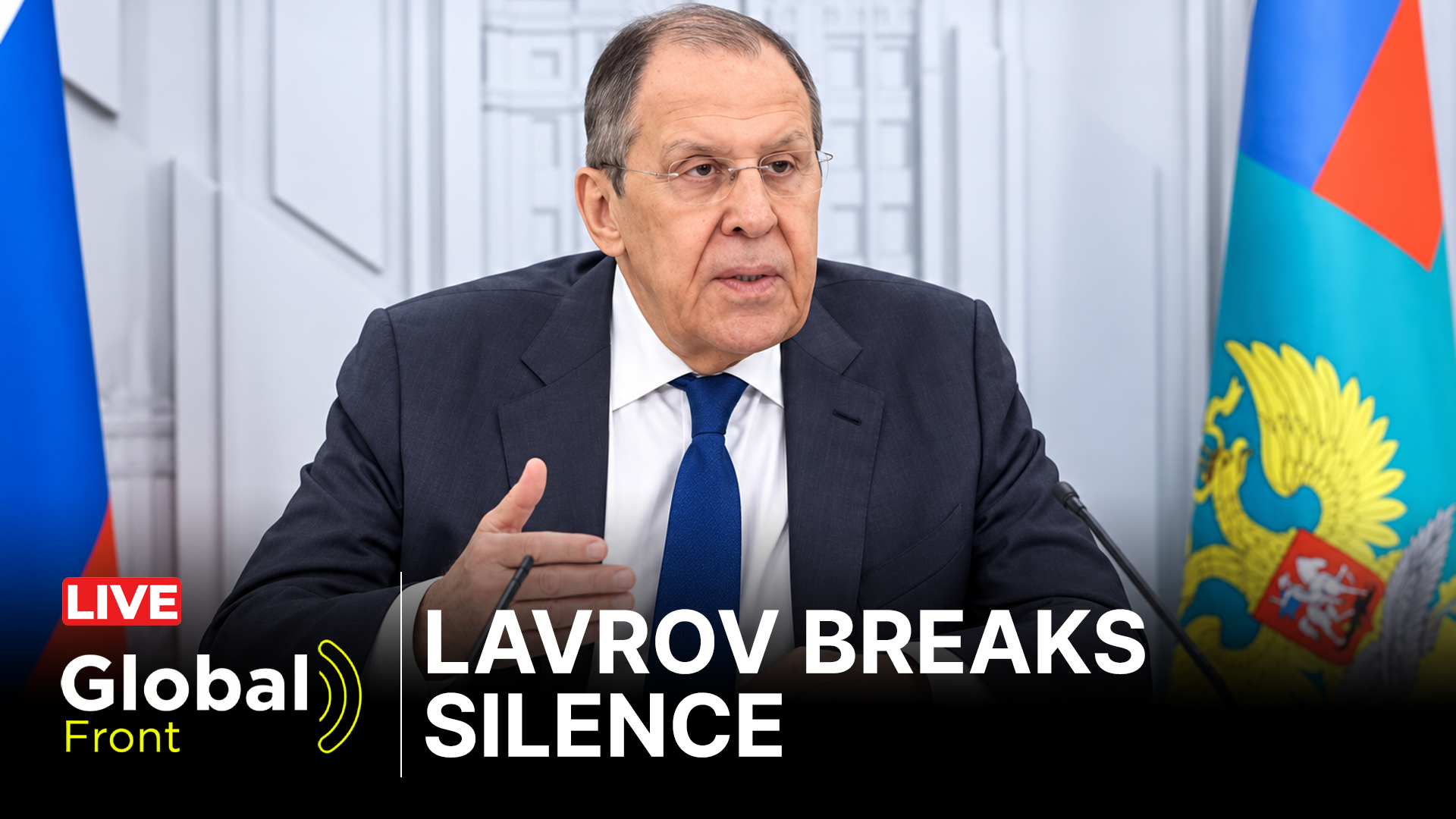


A developing and uncertain picture emerged this week as former U.S. president Donald Trump voiced a pointed warning toward Ukrainian President Volodymyr Zelenskyy while Kyiv was reported to be weighing an energy arrangement with Russia. The remarks have surfaced against a backdrop of ongoing conflict and Western backing for Ukraine, a backdrop that magnifies the political sensitivity of any discussion that could touch on energy policy and Moscow's leverage in European markets. At present, there is no official confirmation from Kyiv, Moscow, or Washington about a formal agreement or any substantive steps toward an arrangement with Russia. Analysts urge caution, noting that statements by public figures can carry political signaling even when not accompanied by binding terms or policy shifts.
The reported energy dialogue, if it exists in any form, would come as Ukraine seeks to diversify energy supply sources and routes in order to reduce exposure to a single supplier and to strengthen its long-term energy security. Kyiv has pursued measures over the years aimed at diversification, including strengthening European connections, expanding storage, and seeking new transit options. A move toward formal engagement with Russia could provoke a range of reactions among European partners, donors, and allies who have conditioned support on adherence to democratic norms, market reforms, and alignment with European energy standards.
Taxing questions remain about the substance and scope of any reported talks. Some observers caution against inferring a fundamental policy shift from unconfirmed discussions or exploratory talks. Even in cases where officials signal openness to dialogue, that does not automatically translate into a binding agreement or a change in strategic direction. In a volatile security and energy environment, such signaling—whether deliberate or inadvertent—can shape internal political calculations and partner messaging without guaranteeing outcomes.
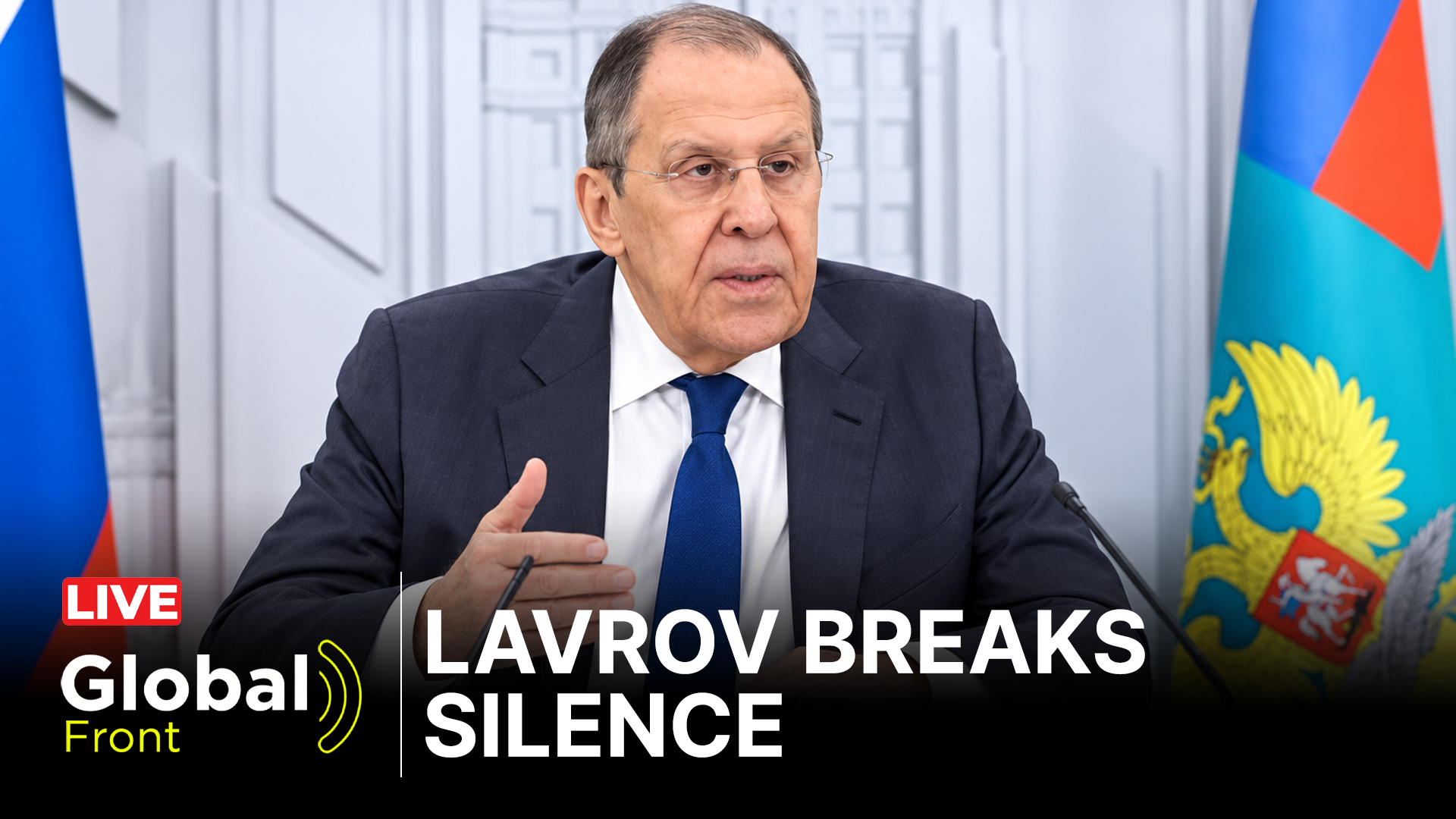
From Washington's vantage point, the absence of an official statement leaves room for a wide range of interpretations. Former presidents can influence public dialogue and national conversations, but their remarks do not bind current policy. Kyiv's leadership has repeatedly emphasized the primacy of energy resilience and alignment with European standards, while continuing to seek support for military and humanitarian needs. How Kyiv balances its stated priorities with potential negotiations over energy, especially with Russia, will be closely watched by partners in Brussels and beyond.
Geopolitical analysts highlight that energy diplomacy in this region has long carried both economic and political resonance. Russia has used energy supply as a tool of influence, and European strategists have pursued diversification as a core objective. Kyiv's current stance appears to be shaped by ongoing security concerns, economic pressures, and the broader aim of integrating with European and transatlantic frameworks. Any realignment, even temporary or limited in scope, would need to be assessed against the backdrop of sanctions, aid packages, and the evolving security calculus of the war in Ukraine.
As the situation stands, journalists and analysts are working with incomplete information. The absence of official confirmation means the story remains in flux, with the potential for new statements or clarifications from Kyiv, Moscow, or Washington to reshape the discussion. In such cases, responsible reporting emphasizes verifiable facts, corroboration from multiple authorities, and clear attribution for claims that are not yet established. The international community will likely be watching closely for any formal steps, timelines, or terms if and when the parties choose to advance the matter.

Editorial.verification: The public-facing claims about Trump's exact wording and the existence of any Kyiv-Russia energy talks remain unconfirmed. No government has publicly disclosed a binding agreement or official negotiations, and the specifics—pricing, volumes, and timelines—are not verified. This article notes the unconfirmed nature of these assertions and will update if and when authoritative statements are made.
In sum, the intersection of a high-profile political remark and a reported energy discussion casts a spotlight on how leaders navigate alliance commitments, energy security, and the broader strategic landscape surrounding Ukraine and Russia. The next days should clarify whether these are mere statements and signals or indicators of a potential policy shift that could ripple through Western support and global energy markets.